 First step
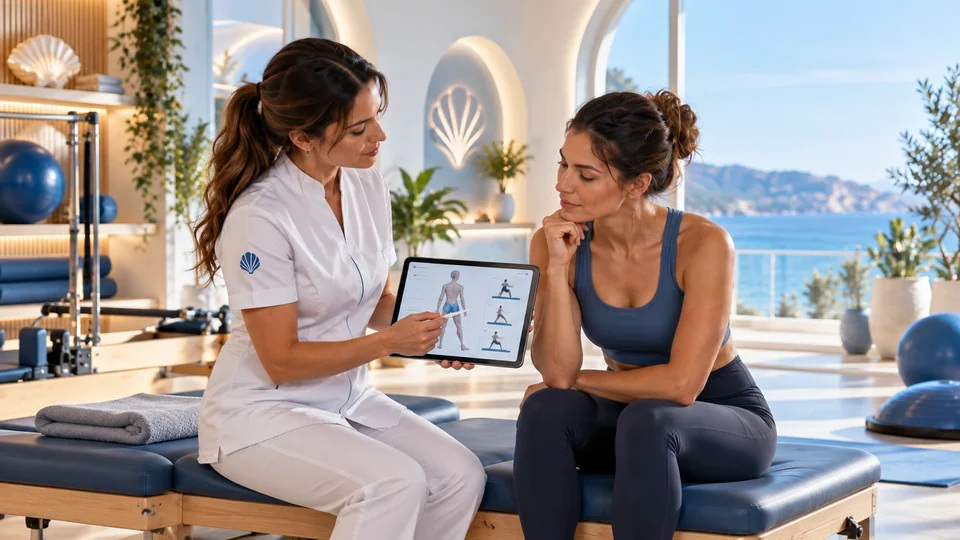
Before treating, we need to understand.
History, symptoms, routine, movement and expectations are connected to build a more complete picture. The assessment does not only ask “where does it hurt?” but what the pain is limiting and what you need to regain.
The starting point is individual — never a preset formula.
 Movement assessment
Not everything needs to be corrected at once.
We observe mobility, strength, control, confidence and tolerance to decide what should truly come first. This reduces unnecessary work and directs energy toward changes that matter for function.
Clinical priority means choosing the right next step.
 Clinical strategy
Exercise becomes a tool, not an obligation.
Each stimulus is dosed to build capacity: more movement when mobility is limited, more control when stability is needed, and more strength when the body needs to handle greater demands.
The challenge grows as you grow.
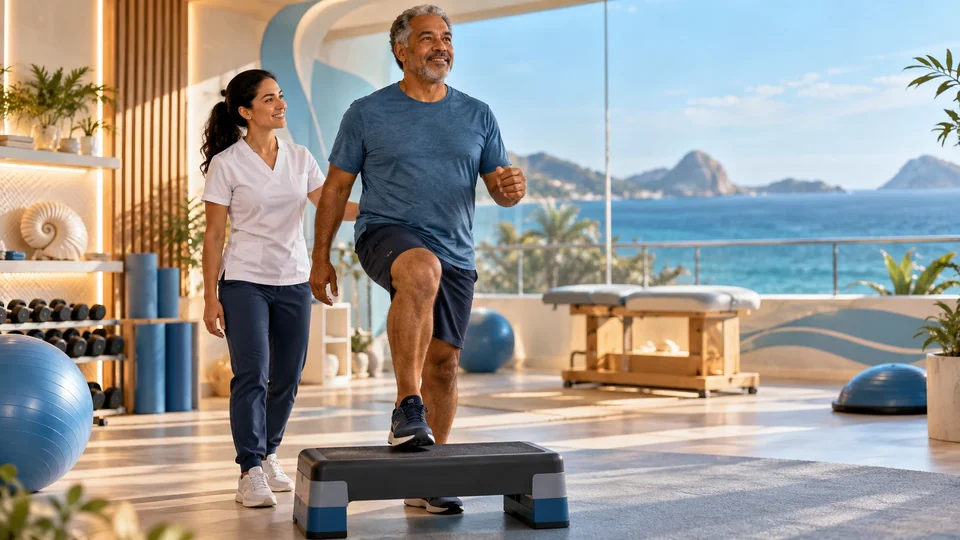 Return and autonomy
The goal is not just to feel better after a session. It’s to live better.
We reassess response, safety and capacity to bring treatment closer to the activities that matter: walking, working, training, playing, traveling or simply moving without fear.
Results are measured by what becomes possible again outside the clinic.
